Saving
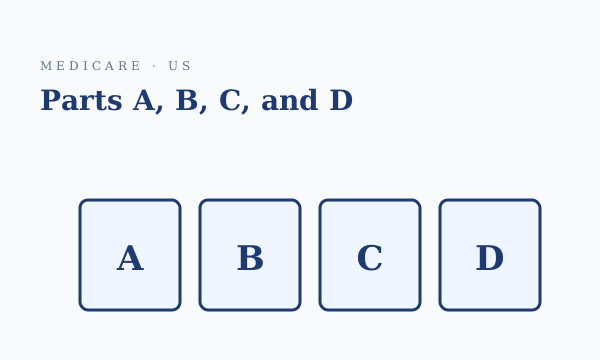
Medicare Basics: Parts A, B, C, and D Explained
Medicare has four parts with different rules and costs. Here is what each covers, when to enroll, and how to avoid the lifetime late-enrollment penalties.
By Nazib Sayed
Research-led personal finance
Every article on Nazib Finance links to the primary source behind each rule, rate, and threshold — SEC, IRS, CFPB, FDIC, and peer-reviewed research. Country-specific guidance is clearly labelled. No sponsored recommendations, no undisclosed affiliates.
Start here — the six most-read guides
Emergency Fund
How much cash you actually need — sized to your life.
401(k) Guide
Match, vesting, fees, and the plan documents that matter.
Budget Framework
A diagnostic method, not a rigid rule.
Debt Payoff
The math of avalanche vs the psychology of snowball.
Credit Scores
What actually moves the needle, in weight order.
Roth vs Traditional
Real math for both accounts, not oversimplified rules.
Trending now
Retirement
The four parts, real 2024 costs, enrollment deadlines, and the four biggest coordination mistakes.
Read the guide →Retirement
Age 73 start, 25% penalty, IRS uniform lifetime table, and Roth conversion strategies to reduce them.
Read the guide →Investing
Contribution vs earnings withdrawals, the two 5-year rules, and early access exceptions.
Read the guide →Debt
Fixed-rate lump sum vs variable revolving credit — which is right for your situation.
Read the guide →Planning
The four documents every adult needs, why beneficiary designations override wills.
Read the guide →Retirement
Age-based vs income-based, dual eligibility, and the critical long-term care question.
Read the guide →Investing
Vested balance, personal rate of return, fees, and beneficiary designations that override your will.
Read the guide →Medicare has four parts with different rules and costs. Here is what each covers, when to enroll, and how to avoid the lifetime late-enrollment penalties.
Topic
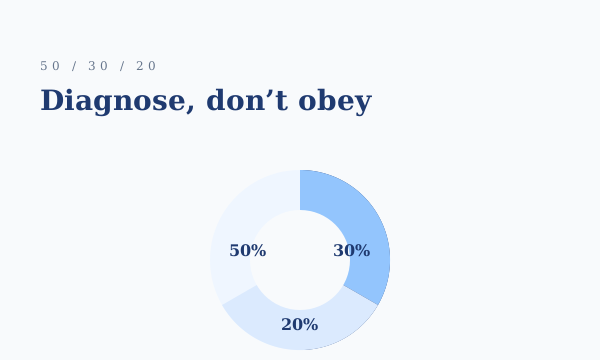
The 50/30/20 Budget Rule, Explained With a Real Example
A simple budgeting framework that splits take-home pay into needs, wants, and savings — with a worked example and adjustments for high cost of living.
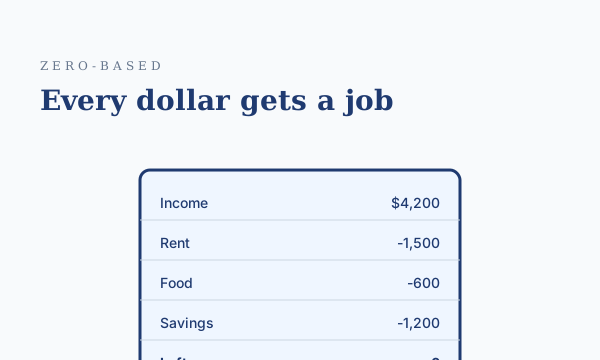
Zero-Based Budgeting: How It Works and Who It Is For
Every dollar gets a job before the month begins. Zero-based budgeting is the most precise method available — here is how to actually run one without burning out.
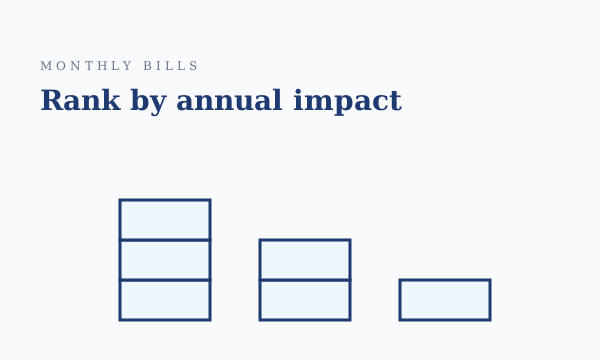
How to Cut Your Monthly Bills Without Feeling Deprived
Most household budgets contain a few large recurring costs and dozens of small subscriptions. Focusing on the right ones creates real savings without changing how you live.
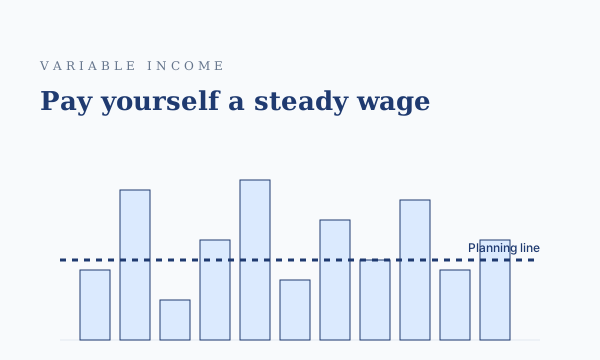
How to Budget on a Variable Income
Freelancers, contractors, and commission earners cannot budget from a steady paycheque. Here is a system that keeps a variable-income household stable month to month.
Topic
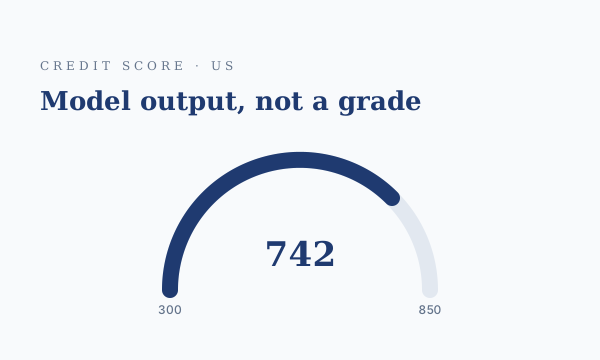
What Actually Affects Your Credit Score (Ranked by Impact)
Credit scores look mysterious but rest on five simple factors, and two of them account for the majority of your score. Focus there first.

How to Build Credit From Scratch (No Cosigner Required)
Building a credit history from zero used to require a cosigner or an established relative. Today, three specific tools let almost anyone start in a single afternoon.
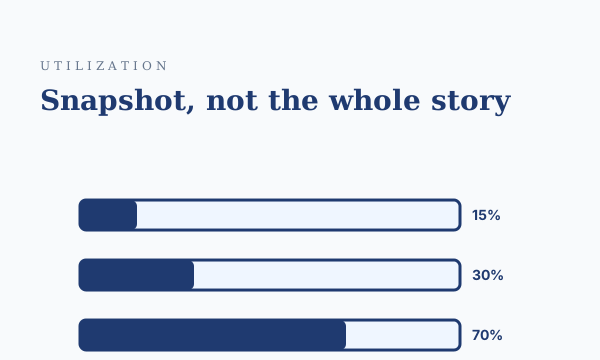
Credit Utilisation: Why 30% Is the Number You Keep Hearing
Credit utilisation is the second-largest factor in your credit score. Understanding how it is calculated — and when it is calculated — is the key to using it.
How to Read Your Credit Report — And What to Do When It's Wrong
Your credit report is the raw material behind every credit score you have. Reading it once a year — and disputing errors — costs nothing and can raise your score meaningfully.
Topic
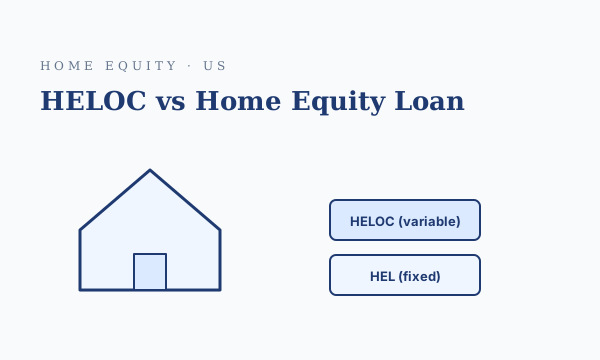
HELOC vs Home Equity Loan: Which Is Right for You?
HELOCs and home equity loans both convert home equity to cash, but they behave very differently. Here is how to choose the right one for your situation.
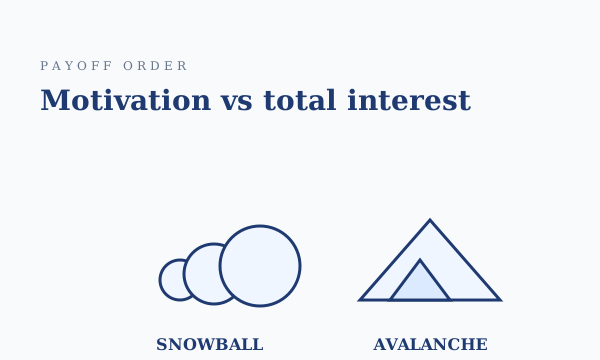
Debt Snowball vs Avalanche: Which Pays Off Debt Faster?
Two popular strategies, one goal: becoming debt-free. Here is how each works, a worked example, and how to choose the one you will actually stick with.
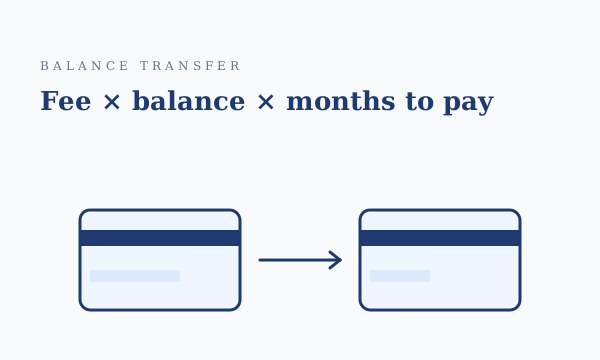
Balance Transfer Cards: When They Save You Money (and When They Don't)
A 0% balance transfer can save hundreds in interest — or cost you more than it saves. The difference comes down to one number and one honest question.

Student Loan Repayment Options, Explained
Federal student loans offer more repayment options than any other type of debt. Understanding them can save borrowers thousands — or years of unnecessary payments.
Topic
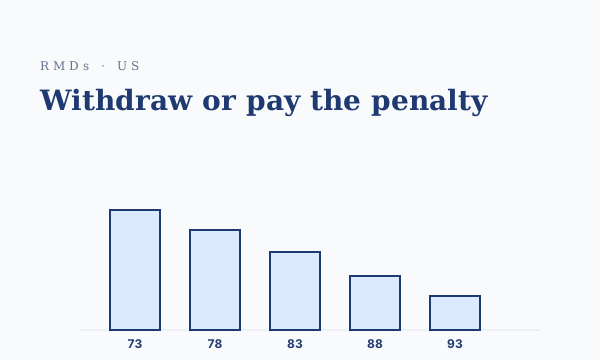
Required Minimum Distributions (RMDs) Explained
The IRS requires most retirement account holders to withdraw a calculated minimum starting at age 73. Miss it and you owe a 25% penalty. Here is how the math works.
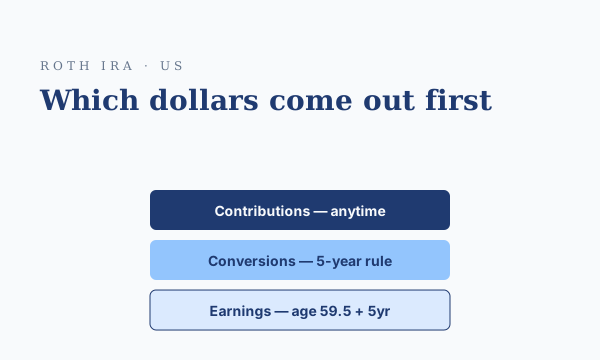
Roth IRA Withdrawal Rules: The Complete Guide
Roth IRA withdrawal rules confuse most savers. Contributions come out anytime tax-free; earnings have strict rules. Here is what actually applies to each dollar.
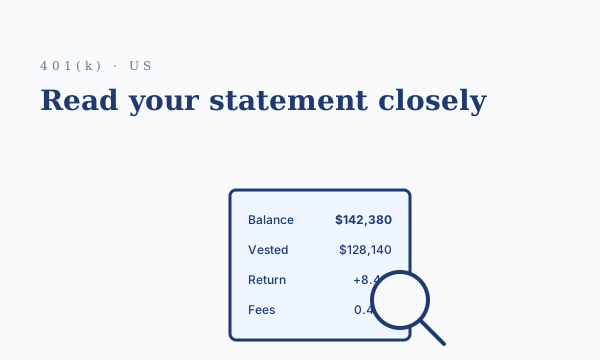
How to Read Your 401(k) Statement Like an Analyst
Your 401(k) statement contains everything you need to know about your retirement — if you can read it. Here is what every section actually means.

How to Start Investing With $100
You do not need thousands to begin. Here is a beginner-friendly path to putting your first $100 to work — and why starting small still matters.
HELOC vs Home Equity Loan: Which Is Right for You?
HELOCs and home equity loans both convert home equity to cash, but they behave very differently. Here is how to choose the right one for your situation.
Estate Planning Basics: Wills, Trusts, and Beneficiaries
Estate planning is not just for the wealthy — every adult with assets or dependents needs core documents in place. Here are the four that matter most.
How Much Emergency Fund Do You Really Need?
The standard "three to six months of expenses" is a starting point, not a rule. Here is how to size your emergency fund based on your real situation.
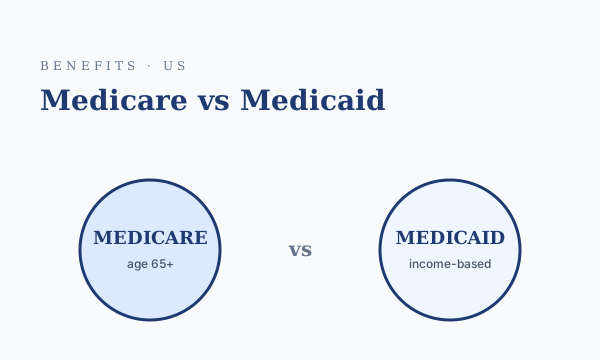
Medicare vs Medicaid: What Is the Difference?
Medicare and Medicaid sound similar but serve different populations with different rules. Here is exactly who each covers and how they interact.
How to Read Your 401(k) Statement Like an Analyst
Your 401(k) statement contains everything you need to know about your retirement — if you can read it. Here is what every section actually means.
How to Start Investing With $100
You do not need thousands to begin. Here is a beginner-friendly path to putting your first $100 to work — and why starting small still matters.
Free · Weekly · No spam
A short email every Sunday with one plain-English guide on investing, saving, budgeting, debt, or credit. Unsubscribe with one click.
By subscribing you agree to our Privacy Policy.